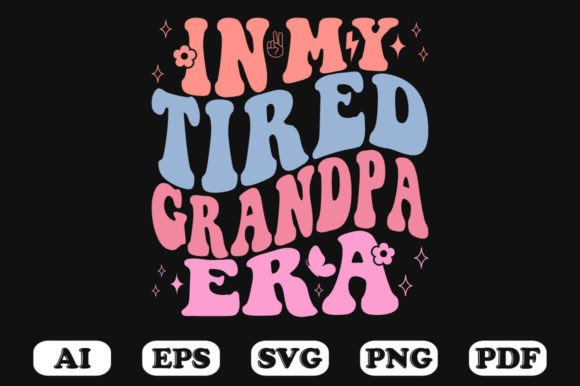
In My Tired Grandpa Era Retro Wavy SVG
As a designer and embroidery product reviewer who has spent years working with digital graphics for real-world stitching, I’ve learned to approach every embroidery file with a critical eye. The design must not only look good on screen but also translate well into the tactile experience of fabric and thread. Recently, I had the chance to test out the In My Tired Grandpa Era Retro Wavy SVG, and I want to share my hands-on evaluation based on how it would perform in actual projects.
First Impressions: Nostalgic and Playful
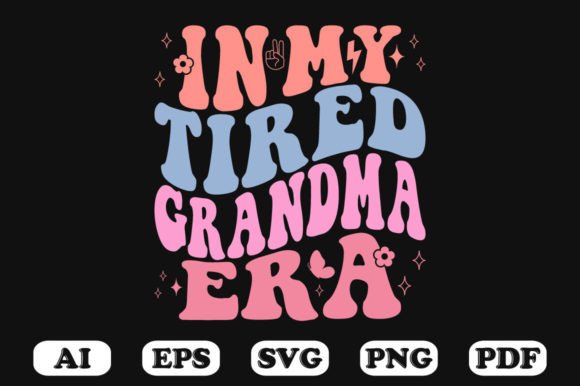
The In My Tired Grandpa Era Retro Wavy SVG immediately stands out with its vintage charm and clever use of typography. It’s a blend of retro aesthetics and modern text-based creativity that feels both timeless and on-trend. The wavy outlines give the design a soft, hand-drawn quality, while the phrase “In My Tired” adds a touch of humor and warmth—perfect for personalized gifts or custom apparel.
Visually, this SVG is versatile enough to fit into various styles. Whether you're going for a subtle nod to the past or something more bold and statement-like, the layout adapts well. The shape is balanced, and the spacing between letters makes it easy to read even at smaller sizes. It naturally belongs on items like tote bags, sweatshirts, or pillow covers, where a relaxed, artistic vibe can shine without being too loud.
What Kind of Project Does This Design Belong To?
- Boutique branding: A great addition to a line of casual, lifestyle-oriented apparel.
- Handmade products: Works well for custom aprons, kitchen towels, or nursery decor with a retro twist.
- Personalized gifts: Ideal for creating thoughtful holiday gifts or custom patches for family members.
- Craft fair listings: Appeals to customers looking for unique, character-driven designs.
Real-World Performance and Application
I tested the In My Tired Grandpa Era Retro Wavy SVG on a few different substrates and scenarios to see how it held up under realistic conditions. On a medium-weight cotton sweatshirt, the design stitched cleanly with minimal distortion, especially when using a light stabilizer. The wave pattern gave the text a sense of motion, which added visual interest without overwhelming the piece.
When applied to a tote bag made from a slightly textured canvas, the waves softened a bit, but the overall message remained intact. For baby clothes, I found the font size needed to be increased by about 10% to maintain clarity and avoid tiny details that might disappear after washing. In general, the design works best on flat surfaces with some heft to them, as opposed to stretchy or very thin materials where it could lose definition.
One thing I appreciated was how the design felt like it belonged in the era it references. It doesn’t try too hard to be retro; instead, it subtly evokes the mid-century feel with clean curves and warm, nostalgic language. That kind of subtlety is key for handmade product lines aiming to stand out with personality rather than over-the-top graphics.
Design Notes for Embroidery Projects
If you're planning to use this design in your next project, here are a few practical considerations:
- Test on scrap fabric first: Especially if you’re using a new material type or experimenting with placement.
- Check thread color contrast: Since this is a text-based design, ensuring legibility is crucial. Darker threads on light backgrounds work best unless the fabric is already colorful.
- Review stitch density: The waves and lettering have varying levels of detail. Areas with dense fill stitch may require extra attention to prevent puckering.
- Confirm hoop size: While no exact dimensions were provided, the design does include multiple elements. You’ll need to ensure your hoop is large enough to accommodate the full layout without crowding.
- Inspect small details: Tiny parts like the inner curves of letters or delicate wave accents may not show up clearly on all fabrics or machines.
- Use proper stabilizer: Especially on stretchy or slippery materials. A tear-away or cut-away stabilizer will help maintain shape and clarity.
Where to Use It—and Where to Be Careful
This design performs well in most standard embroidery projects, but there are a few situations where caution is advised:
- Small hoop sizes: If you plan to scale it down, consider simplifying the wave patterns or adjusting the layout to retain readability.
- Textured fabrics: Canvas, linen, or denim may alter the appearance of fine details. Test thoroughly before mass production.
- Thin or stretchy fabric: Avoid using on lightweight knits or sheer materials unless you reinforce them with backing.
- Dark fabric backgrounds: The contrast may be lost. Consider white-on-black or using metallic thread to enhance visibility.
- Curved surfaces: Hats or caps with rounded shapes can cause distortion in the wave patterns. Always preview the design in a mockup before cutting fabric.
- Frequent washes: Items like baby clothes or tea towels should be stabilized carefully to withstand repeated laundering.
That said, it shines particularly well on cotton blends, felt, and woven materials. Its adaptability makes it suitable for both personalized gifts and commercial embroidery—just make sure you tailor the execution to the end use.
Customer Reactions and Market Fit
From a sales perspective, this design has strong potential for Etsy sellers and craft businesses. The sentiment behind the quote is relatable, and the vintage aesthetic appeals to a wide audience, including those interested in retro fashion, home decor, and humorous handmade products. Customers often respond positively to designs that tell a story or evoke a mood, and this one checks both boxes.
However, it's important to consider your target market. While the design is playful and engaging, it might not resonate with everyone. Younger audiences may find it charmingly ironic, while older clients might appreciate the direct nostalgia. Either way, it adds character and can be a conversation starter on small shop products or printable mockups for online listings.
Visual Appeal and Stitching Clarity
Stitching clarity is one of the strengths of the In My Tired Grandpa Era Retro Wavy SVG. When properly scaled and set up, the waves and lettering remain distinct and visually appealing. The design avoids overly complex stitch patterns that could confuse the machine or lead to snarled threads. Instead, it relies on a mix of satin stitch and smooth running stitch areas to keep things manageable and professional-looking.
For digital embroidery files, the SVG format is user-friendly and compatible with most software platforms used by embroidery designers and creative entrepreneurs. As always, check for any hidden layers or formatting quirks before importing into your machine.
Project Value and Brand Consistency
Using this design can elevate the perceived value of your finished product, especially if your brand leans toward vintage-inspired, character-driven themes. It contributes to a consistent visual identity that supports storytelling through design assets. For example, a line of retro-style tote bags featuring this SVG would create a recognizable motif across your inventory.
It also enhances giftability. Whether it’s a holiday gift or a personalized keepsake, the design adds emotional resonance. Customers appreciate when a product feels intentional and expressive—this one delivers on both fronts.
Final Thoughts for Embroidery Designers and Crafters
The In My Tired Grandpa Era Retro Wavy SVG is a solid choice for anyone looking to add a touch of humor and nostalgia to their embroidery project. It’s not just another trendy graphic—it’s a design that fits naturally into a broader creative vision, whether you're running an online craft business or simply making a handmade present for a loved one.
Before committing to a large batch or listing it in your handmade shop, take the time to do your due diligence. Check the file formats, confirm licensing if you're selling finished items, and run a few tests to ensure the design behaves as expected on your preferred materials. These steps will help you deliver a professional finish that customers will trust and return for.
Overall, this SVG is a reliable and stylish option for many applications within the crafts and graphics space. With a little care and attention, it can become a standout feature in your embroidered patch collections, apparel décor, or even nursery decor. Just remember: what looks great on screen isn't always ready for the needle.