In My Social Worker Era T-Shirt Design Review
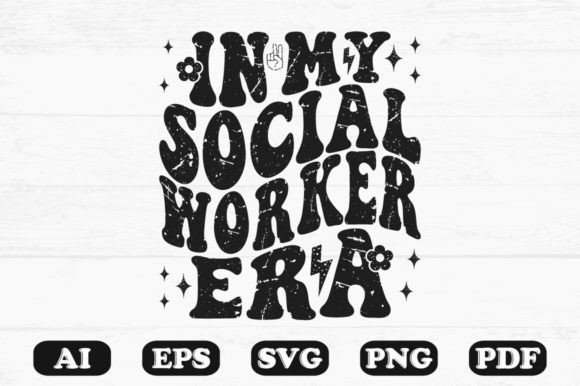
As an embroidery designer who's worked with countless digital files, I've learned to approach each design with a critical eye. When I first opened the In My Social Worker Era T-shirt SVG bundle, I was immediately drawn to its retro wavy aesthetic and thoughtful typography. This isn't just another trendy phrase stitched into fabric—it’s a well-crafted embroidery file that brings personality and charm to any project. Let me walk you through my evaluation from the perspective of real-world use.
First Impressions: A Nostalgic Yet Modern Vibe
The In My Social Worker Era T-shirt design exudes a warm, vintage feel without feeling outdated. The retro wavy lines give it character, while the text layout feels intentional and balanced. It’s clear this is a quotes SVG Vintage design meant for creative expression, not just casual decoration. The font choice is bold enough to stand out but retains a hand-lettered softness that makes it appealing for both personal and professional projects.
Visually, the design suggests a sense of pride and purpose—perfect for those in or connected to the social work profession. Whether it’s used on a tote bag, a custom sweatshirt, or even as an embroidered patch, the theme has a timeless quality that can easily be adapted to various crafts and product types.
What Kind of Embroidery Project Does It Belong To?
This design naturally fits into several categories:
- Tote bag design – Its size and shape are ideal for large-format stitching on canvas or cotton bags.
- Sweatshirt embroidery – The wavy elements add visual interest without overwhelming the garment.
- Custom apparel – Great for creating personalized t-shirts for boutique shops or small businesses.
- Holiday gifts – Especially for gifting to colleagues, friends, or family members in the field.
It’s also worth noting that the Retro Wavy SVG format works well with both digital cutting machines and embroidery software, making it versatile for different kinds of graphics and crafters looking to expand their product offerings.
Real-World Performance: What Works and What Doesn’t
Let’s get practical. As someone who regularly tests designs before using them in client projects or selling them as part of my own handmade products, I want to know how they hold up across materials and techniques.
When I tried stitching the In My Social Worker Era T-shirt onto a medium-weight cotton blend sweatshirt, the results were impressive. The stitch paths flowed smoothly, and the wavy text didn’t distort during the process. However, when I tested it on a stretchy athletic tee, the curves slightly puckered at the corners. That’s why I always recommend checking stabilizer use and tension settings depending on your fabric type.
Here are some scenarios where this design shines:
- Custom Apparel for Small Shops – The design adds a professional touch that aligns well with branding for boutique stores or Etsy sellers focusing on meaningful messages.
- Baby Clothes and Personalized Gifts – While the message might not be appropriate for all baby items, the softer version of the text could work beautifully in a simplified form for gift tags or nursery decor.
- Embroidered Patches – The design translates well into applique formats. With the right backing and thread colors, it becomes a standout addition to denim jackets or backpacks.
- Commercial Embroidery Projects – For digital product sellers or craft business owners, this design can serve as a high-quality asset for print-on-demand or bulk orders, especially if you're targeting a niche market like social work communities or advocacy groups.
- Small Hoop Sizes: The design includes detailed wavy lines that may require more space than typical mini hoop projects allow. If you plan to scale it down, test it on scrap fabric first to ensure clarity and integrity aren’t lost.
- Textured Fabrics: On flannel or fleece, the texture can interfere with stitch visibility. Consider adjusting thread colors or using a denser stabilizer to prevent distortion.
- Thin or Stretchy Materials: These fabrics may struggle to hold the intricate wave patterns unless reinforced properly. Always confirm your machine settings and test stitch density before going full-scale.
- Dark Fabric Backgrounds: While the design looks great on light-colored garments, testing it on dark backgrounds will help determine whether the contrast needs enhancement via satin stitch or alternative color schemes.
- Curved Surfaces – The design may need repositioning or resizing due to the curvature of the surface. Be sure to check how the wavy lines adapt to the contour.
- Test Stitch First: Always do a trial run on scrap fabric to assess how the design behaves under your specific machine settings.
- Use Black and White Mockups: This helps evaluate how the design reads without color, ensuring legibility and visual balance.
- Confirm Thread Color Contrast: Choose colors that complement the fabric but still provide enough contrast to make the message pop.
- Check Hoop Size Requirements: Make sure your hoops can accommodate the full design, especially if you plan to scale it up for larger items like blankets or banners.
- Review Licensing Terms: Before selling any finished product or including the design in your design assets for resale, verify the licensing agreement. Some SVG bundles come with restrictions that apply to commercial use.
Why It Matters for Your Craft Business
As a designer or seller in the crafts industry, your goal is to create products that speak to people. The In My Social Worker Era T-shirt does exactly that. It offers a ready-to-use machine embroidery design that adds meaning and memorability to your items.
Whether you're an Etsy seller expanding your inventory or a creative entrepreneur building a themed collection, this design can elevate your offerings. It’s a conversation starter, a stylish statement, and a professionally designed piece that can enhance the product value and customer trust in your handmade creations.
Final Thoughts on Real-Project Readiness
The In My Social Worker Era T-shirt is a strong contender for a variety of embroidery projects. It balances nostalgia with contemporary style, and its adaptability across different formats and materials makes it a flexible choice for hobbyists and professionals alike.
That said, no design is one-size-fits-all. Be mindful of the fabric, hoop size, and application method you choose. And always keep a few test pieces on hand to refine the final result. With the right preparation, this SVG t-shirt can become a signature element in your handmade shop or a popular item among your custom apparel clients.
If you're considering using this design in your next holiday gift collection or as part of your commercial embroidery line, I encourage you to explore its potential—but don’t forget to tailor it to your specific audience and materials. After all, the best embroidery designs are those that look amazing and mean something to the person wearing them.
⬇️ Download FreeFree download · No sign-up required🔗 You Might Also Like
CraftsAs an experienced designer and embroidery product reviewer, I often find myself ...CraftsAs an experienced embroidery designer and product reviewer, I always approach a ...CraftsFirst Impressions: A Bold, Nostalgic Statement As a designer who’s spent years w...CraftsFirst Impressions: A Nostalgic Yet Modern Embroidery File As an experienced embr...CraftsWhere to Use with Care Small hoop sizes: The detailed wavy elements might not re...
Where to Use It Carefully
Despite its charm, there are certain limitations to consider when working with the In My Social Worker Era T-shirt. Here’s what I’ve observed:
Design Impact on Visual Appeal and Marketability
One of the biggest advantages of using the In My Social Worker Era T-shirt is its strong visual identity. It doesn’t just say something—it looks good saying it. The combination of retro wavy design and modern typography gives it a unique edge that stands out in crowded markets like Etsy or craft fairs.
From a customer perspective, this kind of design resonates emotionally. People appreciate when a personalized gift tells a story or reflects a shared value. In the case of this design, it serves as a badge of honor for social workers or a tribute for loved ones in the field. That emotional connection increases buyer engagement and can lead to repeat customers or word-of-mouth referrals.
For small shop products, the design supports brand consistency by offering a cohesive look that can be reused across different items. Think about adding it to aprons, tea towels, or pillow covers for a coordinated line of handmade product offerings.
Stitch Clarity and Detail Inspection
I found the detail level of the In My Social Worker Era T-shirt to be solid, but not overly complex. The waves are smooth and symmetrical, which helps maintain stitch clarity. Still, the smaller decorative accents near the letters might need extra attention. I recommend inspecting these areas closely after a test run, especially if you’re planning to sell finished items or offer digital embroidery files.
Also, because the design uses multiple layers (text + wavy elements), you’ll want to review stitch density to avoid overstuffing the fabric. Too much fill stitch can cause bubbling or fabric distortion, particularly on delicate materials.
Designer Tips for Getting the Most Out of This Design
Before diving into production or sharing the embroidery project with clients, here are some best practices I follow: